
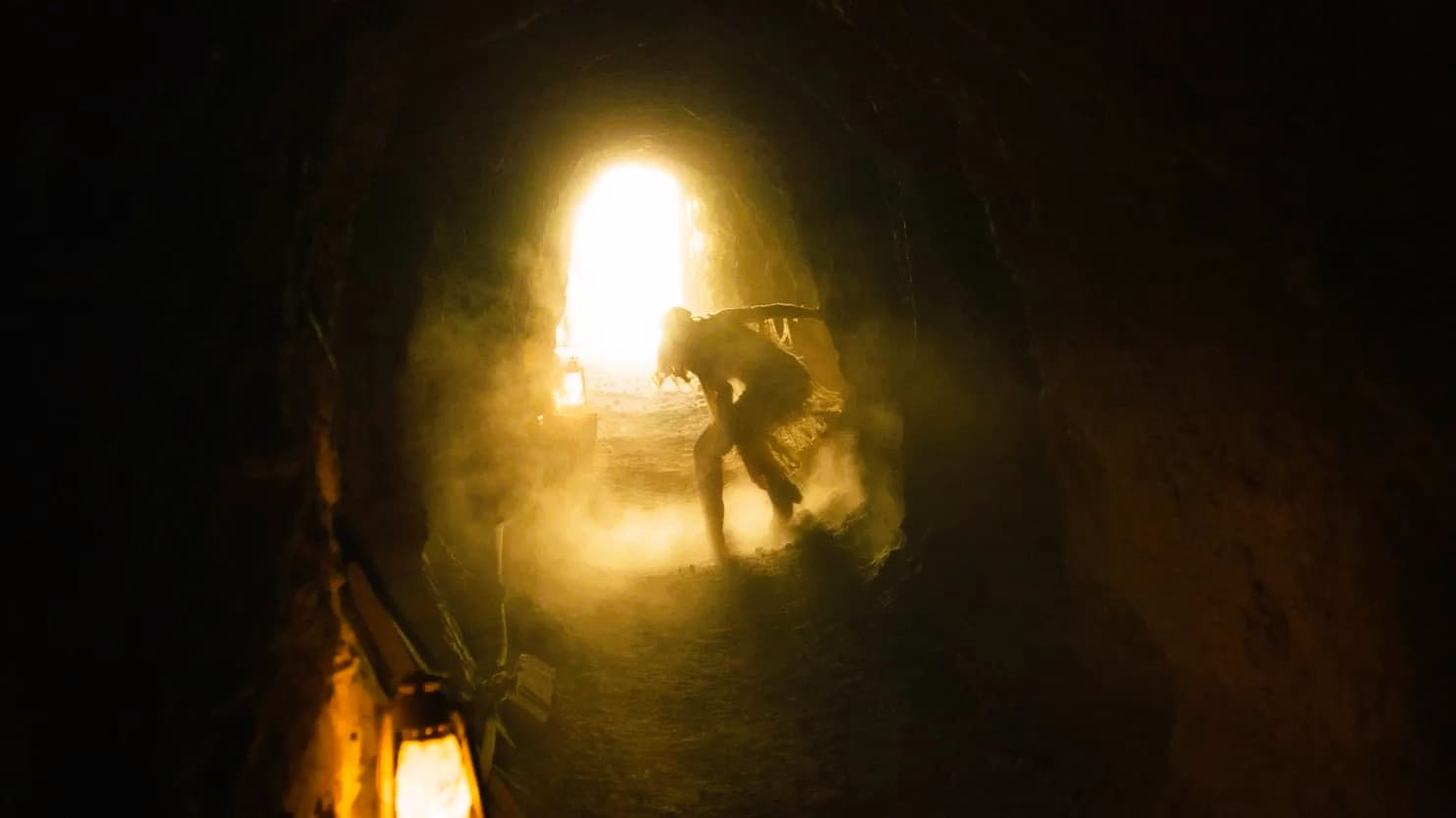
A bloody and dirty homage to THE TEXAS CHAINSAW MASSACRE and THE HILLS HAVE EYES was all the information I needed on BRUTE 1976 to instantly add it to my watchlist. The original TCM is a personal favorite of mine, and I’m even one of the rare few who enjoys the Netflix remake (requel?) from 2022 because I love to see a fresh take on a classic. There is so much beautiful runway to work with in terms of source material and I had a good deal of anticipation and excitement walking into BRUTE 1976. All that being said, my own expectations left me let down by what appeared to be a largely hollow imitation of the aforementioned movies, rather than something all its own.
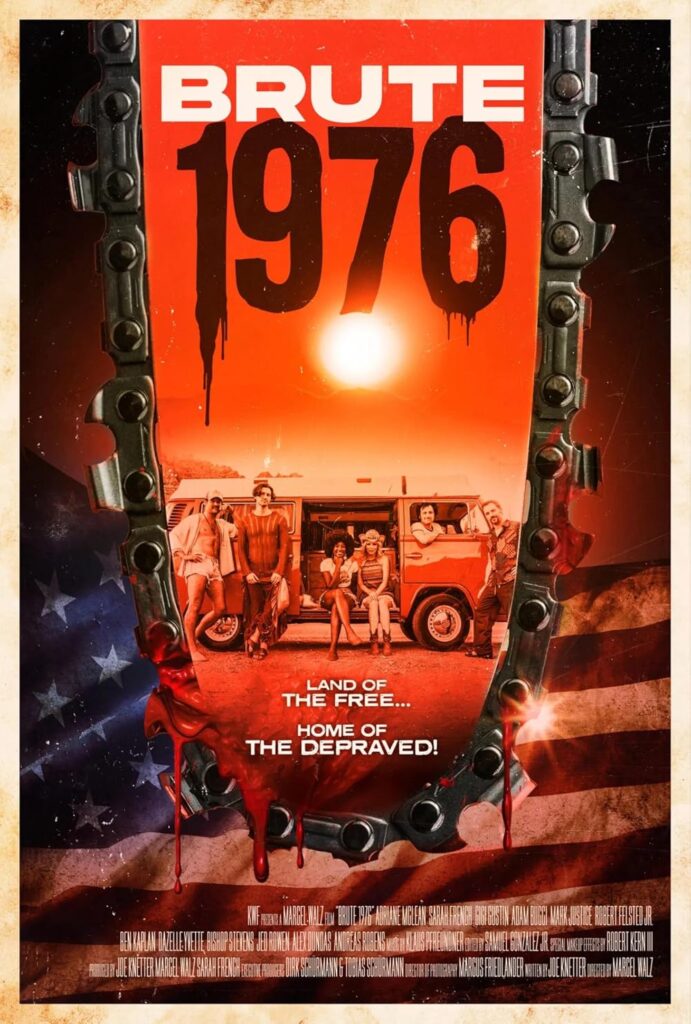
That’s not to say BRUTE 1976 is all bad — that’s certainly not the case. For starters, Gigi Gustin is fabulous as Raquel. She’s badass, confident, and infinitely believable. The daytime, summer horror aesthetic was also very effective at harkening back to the films it was inspired by. It’s warm, the colors are rich and balanced and the composition is gorgeous. BRUTE 1976 also has a really fun cold open, including a moment where you hear the chainsaw coming before you see it which felt like a good homage to THE TEXAS CHAINSAW MASSACRE. Above all else, BRUTE 1976, is an incredibly violent, graphic movie, which will be a selling point for some more than others. Whichever way you slice it, it is undoubtable that one scene in particular involving a glory hole will be going down in the history books.
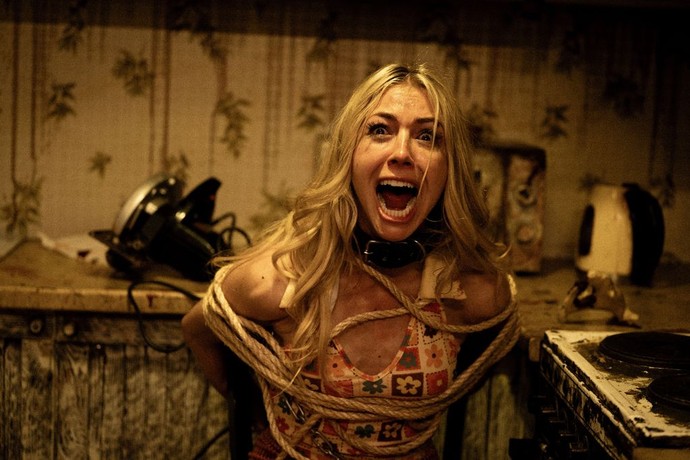
Where BRUTE 1976 falls short however, is largely a result of its association with THE TEXAS CHAINSAW MASSACRE and THE HILLS HAVE EYES. It feels very much like a modern movie trying to emulate the ‘70s, rather than something authentic. While the beauty of it was something that I enjoyed, at the same time it was too glossy and clean to feel like it belongs in the gritty, grungy world of those iconic movies. This comparison isn’t pure projection either, as the characters in BRUTE 1976 acknowledge this by referencing THE TEXAS CHAINSAW MASSACRE directly within their dialogue. To that point, there is also a great deal of over-explanatory dialogue that demonstrates a lack of trust in the movie’s audience, as well as slowing the pace of an already bloated runtime. It’s always an uphill battle to align yourself with such classic, beloved movies, and I think it would do BRUTE 1976 a great service to be its own, standalone entity.
While not the primary focus of the film, or even a major plot point, I would be remiss not to mention the problematic representation throughout BRUTE 1976. The most glaring example of this to me was the inclusion of a male presenting person wearing dangly earrings and makeup as being inherently frightening. I can appreciate the nod to iconic movie villains like Buffalo Bill and Leatherface himself, but those characters come from a different time, and the last thing we need in our current political climate is an evil crossdresser tormenting women. At best, it feels reductive, and at worst, it feels harmful.
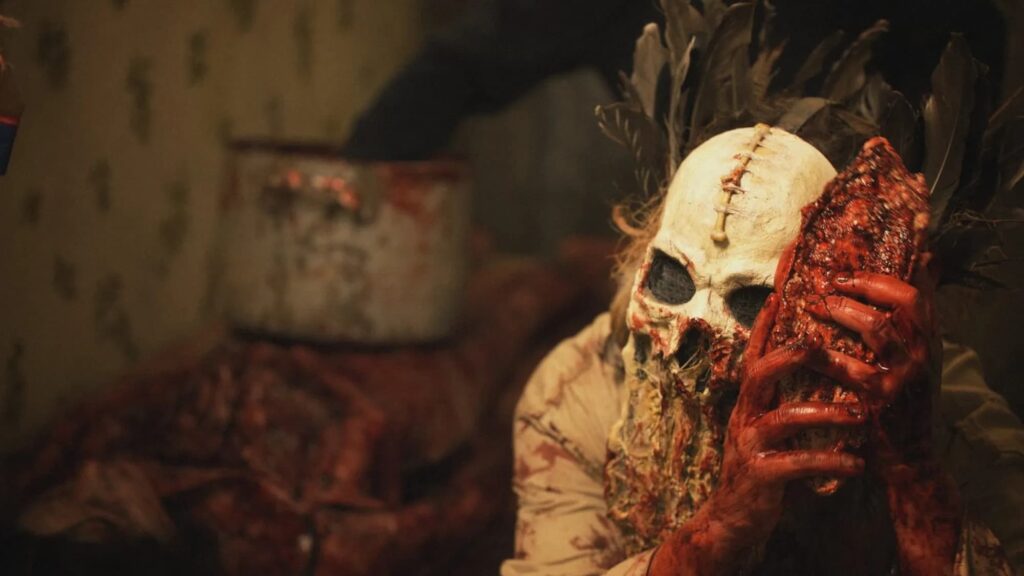
Overall, BRUTE 1976 has its good moments, at its best when serving up some jaw dropping body horror or when focusing on the found family of outcasts that is central to the story. Unfortunately, it doesn’t feel like quite enough to make up for the slow pacing and the messy, unoriginal storyline. As always, I’m just one voice, and I really do encourage anyone interested to check it out for themselves and draw their own conclusions. BRUTE 1976 will have a limited theatrical run in Los Angeles and Indianapolis August 26-29 before becoming available on VOD September 30.


Tags: Adam Bucci, Adriane McLean, Alex Dundas, Andreas Robens, Ben Kaplan, Bianca Jade Montalvo, Bishop Ali Stevens, Dazelle Yvette, Gigi Gustin, Horror, Jed Rowen, Joe Knetter, Klaus Pfreundner, Marcel Walz, Marcus Friedlander, Mark Justice, Neon Noir, Riley Cassidy, Robert Felsted Jr., Samuel Gonzalez Jr., Sarah French
I don’t this this film is too bad, though I would prefer this title: Brute ’76, a play on Route 66, plus it rolls off the tongue easier than Brute 1976.