
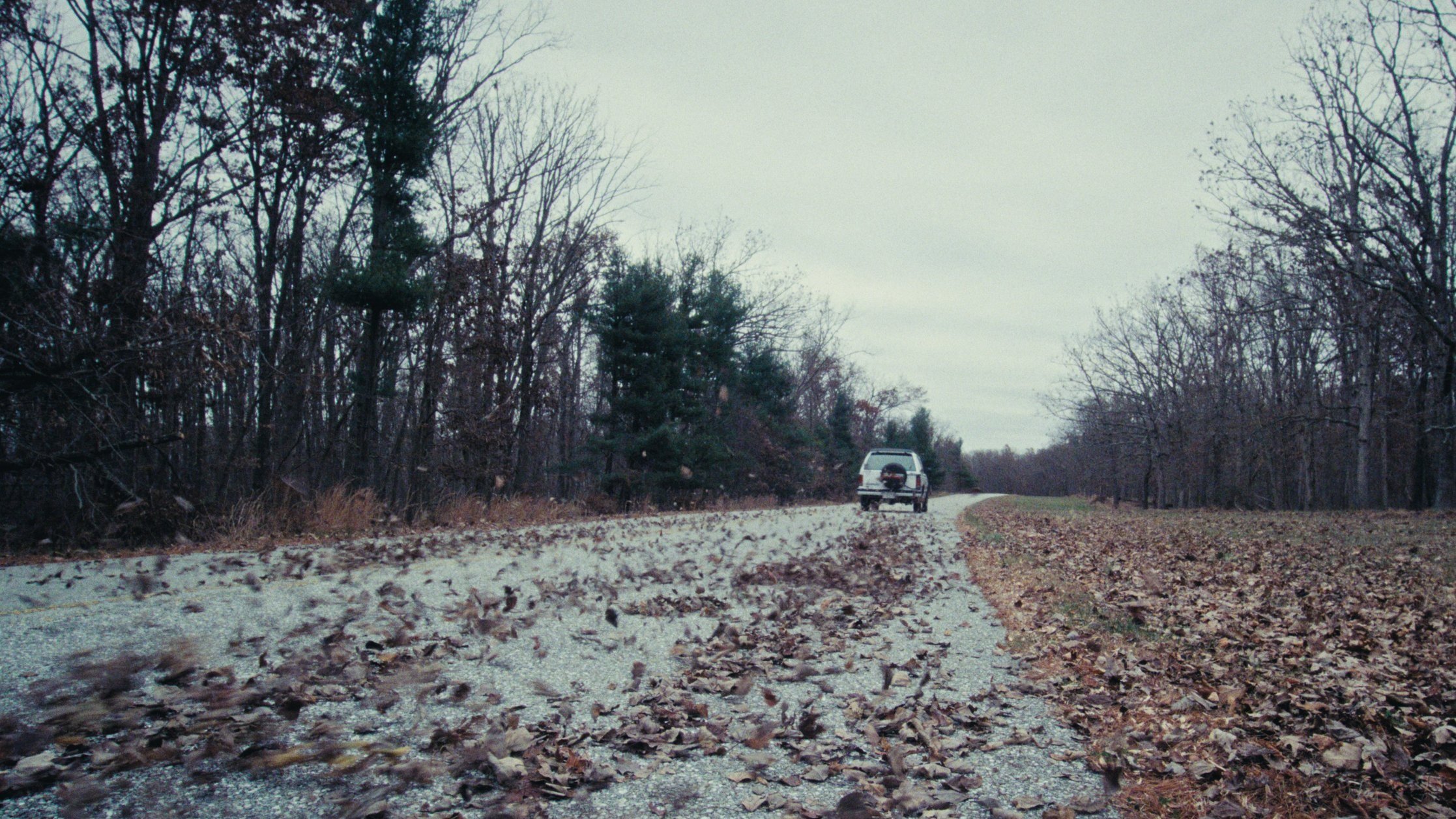
As teenagers, we are so often pressured to fit into particular molds of being in order to better survive the hell of high school hallways. We’re told that looking and acting a certain way is what will promise us the most comfort and success in the “real world” outside the hallowed halls of any given schoolground. Bullying — while purported to be an intolerable offense — is an expected, inescapable element for many. Especially so if you choose to reject the confines of the accepted aesthetics and carve your own way through. For many, it is largely by the strength of the connective tissue of a strong support system that they are able to both stay true to themselves and survive the most nightmarish years of adolescent life.
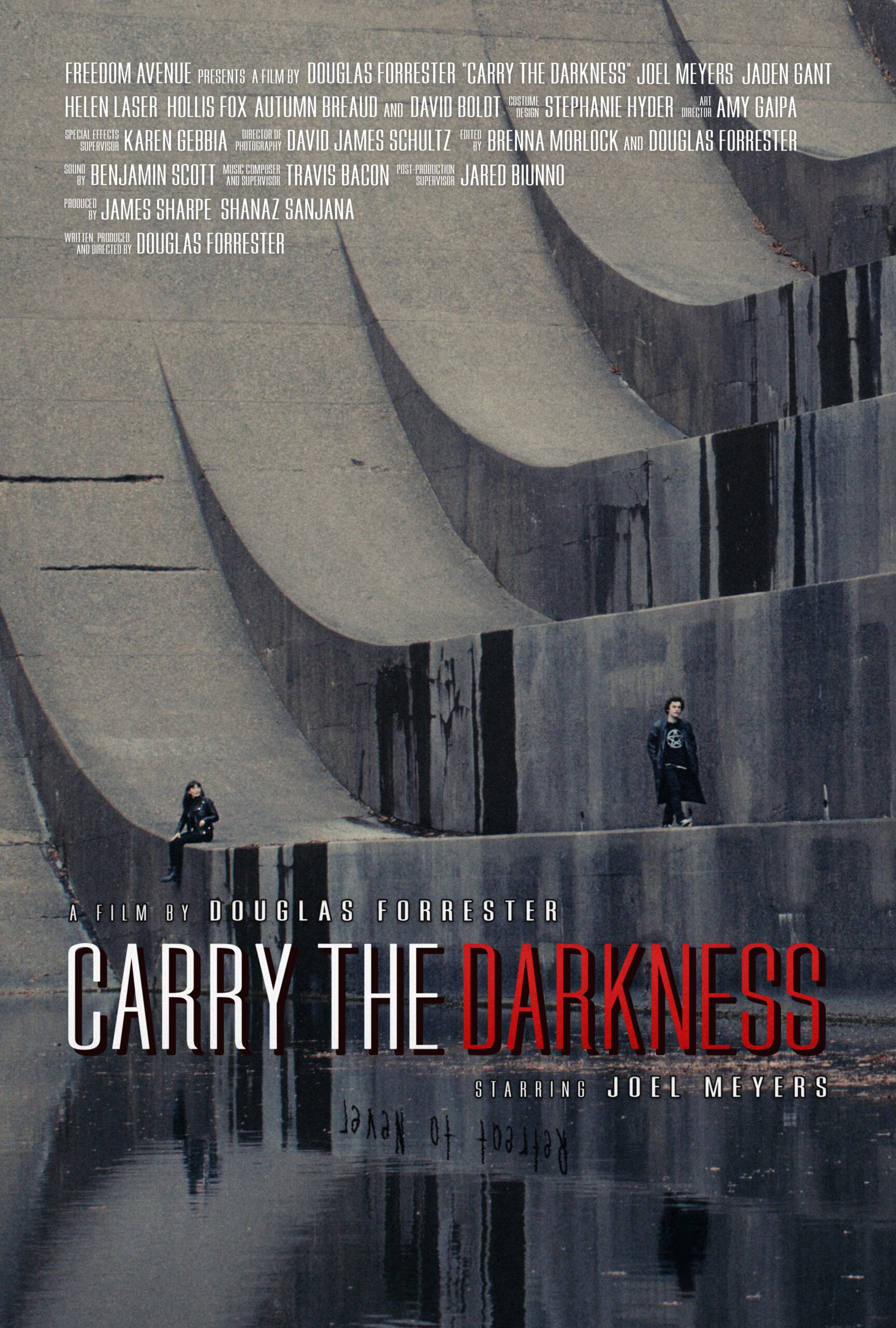
Such is the case for CARRY THE DARKNESS‘s Travis (Joel Meyers), a young metalhead photographer who fluctuates somewhat wildly between keeping to himself and his best friend Jordan (Jaden Gant) and retaliating against his jock bullies by way of pranks. Dancing the line between harmlessness and danger, Travis decides to take a photographic expedition to a broken down, abandoned building where — we learn in the opening of the film — someone very much like himself has already disappeared. Travis is facing more than just your average bully retaliation, however. It’s 1993, and his town is awash in the chaos of the Satanic Panic. So, when the mysterious body count begins to rise, most of the townsfolk are more than ready and willing to believe the outwardly polished, extroverted jock’s word that the standoffish, quiet, metal music lover is the one who probably committed all those crimes. Consequently, the bullying bleeds out from the school grounds into the rest of Travis’s life, save for a precious few.
The Satanic Panic of the ’80s and ’90s was one of our society’s most strangely uncomfortable and highly bizarre periods. Awash in constant fearmongering and moralizing about what makes a person virtuous and safe and what, more importantly, opens them up to be corrupted by Satanic influence, it was a time that smacked heavily of the frenzy seen in the Salem Witch Trials. Only this time, it’s target was not so much women and girls, but anyone who had an overzealous nosy neighbor and a taste for dark clothing, board games, and metal music. These were not the only criteria, of course — preschool teachers were accused of all sorts of heinous acts on their students with no basis, countless innocent lives were ruined, not even to speak of the controversy of Michelle Remembers — but they were by far the most commonly mentioned in any study of the period. All it took to be accused of being under the influence was setting someone off you may not even know.
No surprise, then, perhaps, that Travis believes himself to be exactly what the town paints him as: a violent, angry, societal disappointment. Also no surprise, surely, that he quickly becomes potential prey for the real culprit of the town’s disappearances.
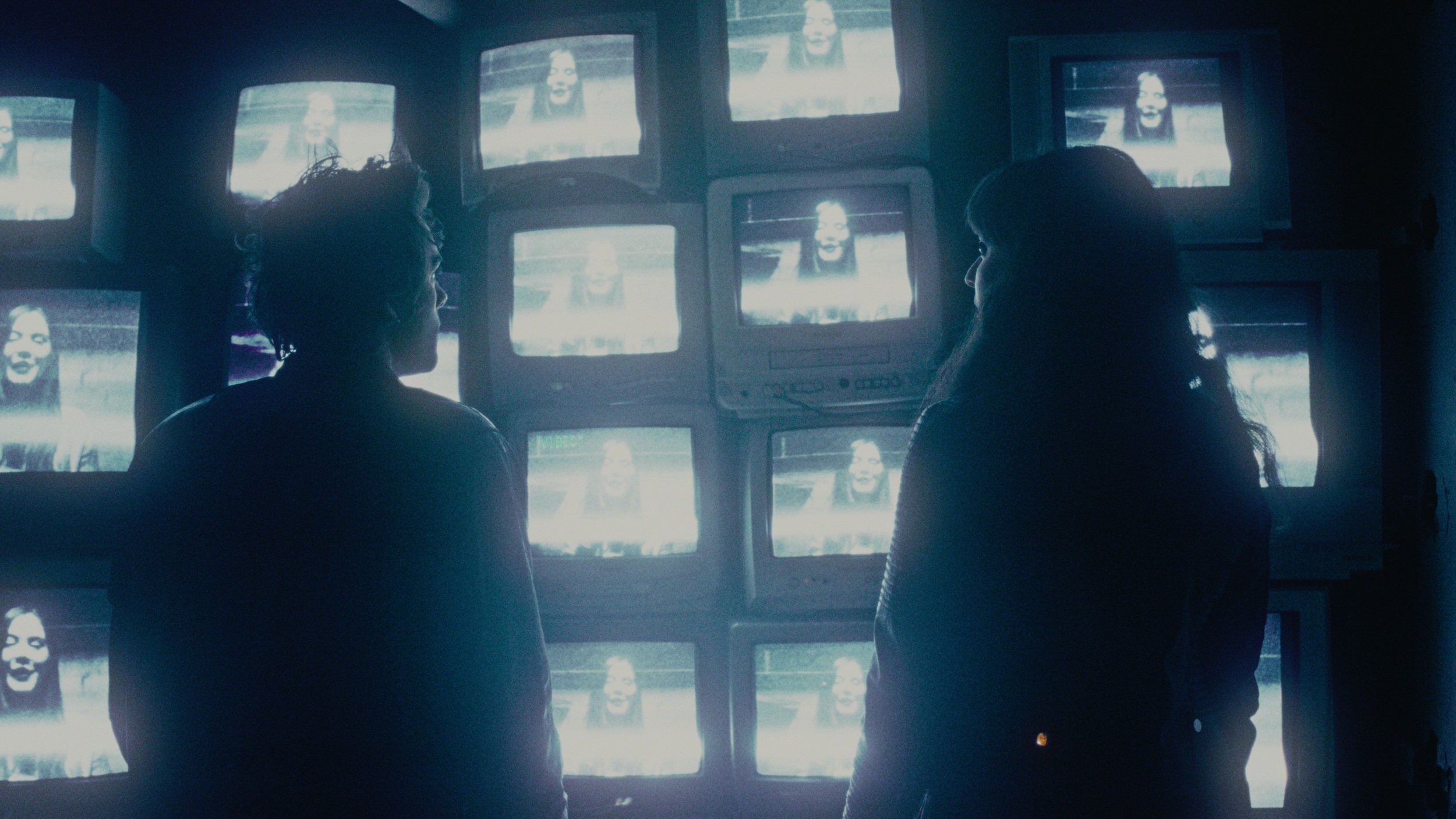
Douglas Forrester’s debut feature and Panic Fest 2025 entry is at once effectively spooky and a pointed examination of what it’s like to be an adolescent outsider in a time of societal turmoil. Meyers’s performance as Travis is deeply affecting and the standout of the film. He makes it palpably clear not just that Travis is aware of his status as the gum on the bottom of his town’s shoe, but that a part of him is starving to prove himself as more than that. He’s so absorbed in the ideas other people have of him that he can hardly see the more important truth: those closest to him can see the real Travis, and they find him to be not just worth seeing but worth fighting for. Meyers’s ability to convey the vulnerability and rage necessary to effectively sell this character is a testament to his strength as an actor. Too much in either direction would have entirely shifted the tone of the film for the worse, but Meyers makes CARRY THE DARKNESS not just worthwhile but necessary.
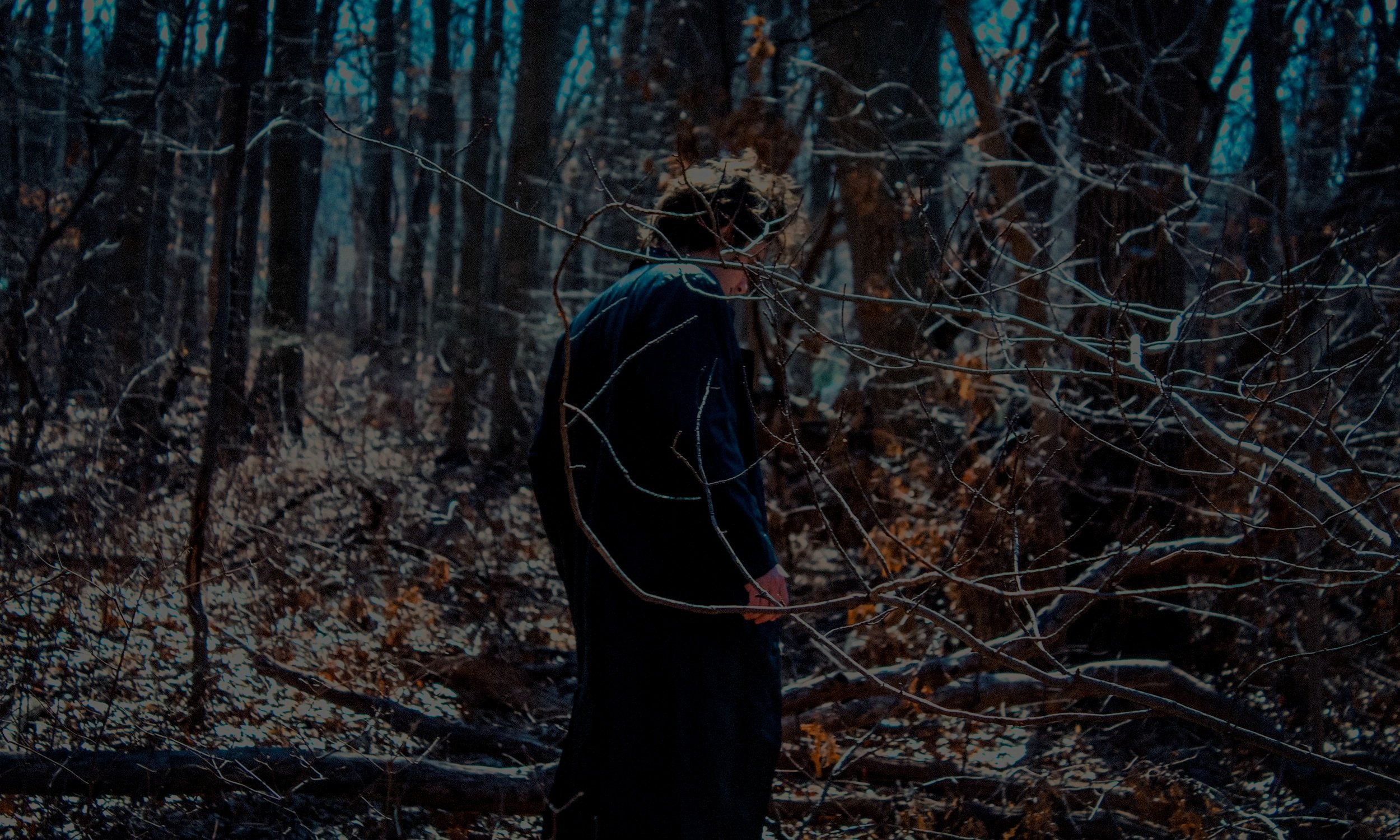
That the fate of his town rests on the shoulders of Travis and his outcast friends is nothing new for horror film, but it is so effectively done in CARRY THE DARKNESS mostly because Meyers’s performance paints us a character who sees all the bad every moment of the day and still fights to find the good despite it all. Whether that be through his camera lens, poignant conversations with his mother that remind him he has never disappointed her, or through the bonds he shares with his fellow misfits.
We laugh at situations like the Satanic Panic now for the ridiculous nonsense they were, but they ruined many peoples’ lives at the time, and are beginning to once again crawl up from the depths and rear their heads. Moral panics are impossibly easy to stoke and, the further we get into the digital and increasingly more isolated age, even easier to spread. Films like CARRY THE DARKNESS, when done right, can do more than just transport us back to those times. They can use the lens of (all too common) childhood traumas we may often take for granted as common film fodder and remind us that the figures we are being made to demonize are, more often than not, people just like us. Innocent people who may have messy histories and messier coping mechanisms but who, nonetheless, deserve to be treated as human beings rather than social pariahs and boogeymen.



Tags: Carry the Darkness, Douglas Forrester, Film Festivals, Helen Laser, Jaden Gant, Joel Meyers, Katelyn Nelson, Panic Fest 2025, Salem Witch Trials, Satanic Panic, The 1990s
No Comments